

Whatever the season, Austria is always wonderful. I traveled here in 2016 for two weeks with my second son as we sang our way through music competitions with our South African choir. We both fell in love with the countryside, the people, the culture, and the food. Finding a historical costume connection was not difficult, as Empress Elisabeth (“Sisi”) was a noted 19th-century royal beauty with a taste for clothes from couturiers like Worth, and many of her gowns and personal effects survive and are on display in various collections.
 Prior to my travels in Austria, I had known a little about Sisi’s famous portraits, her gowns, and her hatred of court life, but I really only had a surface knowledge based upon the trio of films starring Romy Schneider, which were made in the 1950s. While in Vienna, I made a point to visit both Schönbrunn and the Hofburg (which contains the “Sisi” Museum), and I bought an in-depth biography, The Reluctant Empress by Brigitte Hamann and Ruth Hein. I devoured that before we flew home to Cape Town, and I knew I had to bring a tour group to Austria in the future. Cathy Hay was game to come along for our first tour on the continent, and I planned our cities to include the ones with a clear connection to Empress Elisabeth, plus Paris (more on that in future posts!).
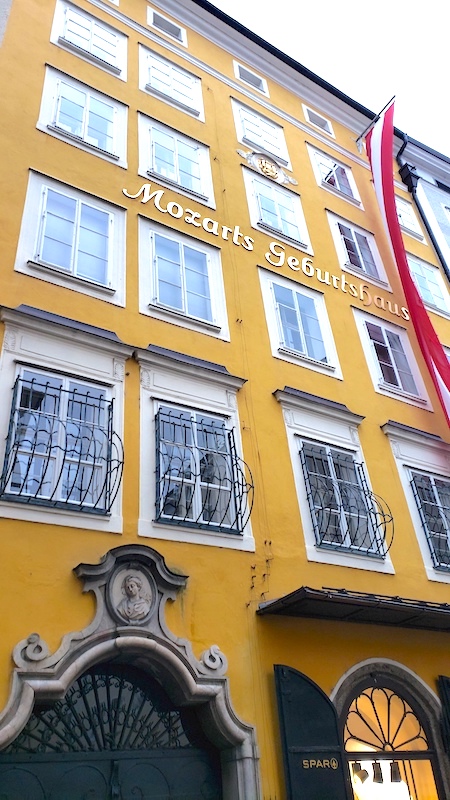
I decided to kick off the tour in Salzburg, because it is a comfortable, walking-friendly city that moves at a slower pace than Vienna. It would give us all a chance to recover from the worst of the jet lag and see some things without feeling rushed. Salzburg’s place in the Habsburg Empire came after the defeat of Napoleon (in 1816, to be precise, after the Duke of Wellington and other European delegates met to settle terms at the Congress of Vienna), but it has a rich history as an ecclesiastical hub, giving it the nickname “The Rome of the North.” Ruled by prince-bishops, Salzburg became home to an enormous collection of fine art, splendid architecture, and, of course, excellent music. Mozart was born in the Altstadt, practiced organ in Trinity Church at Makartplatz, and wowed his patrons with his precocious talent. Today that means you see a lot of kitchsy marketing ploys using his name, but it is his musical legacy that still strongly shapes this city with its many concert venues and music festivals.
Because of its ecclesiastical heritage, there are incredibly fine works of art in the churches, and there is a long history of high-born ladies donating their court dresses and trains to be remade into capes and robes for bishops and priests. More on those in a later post.


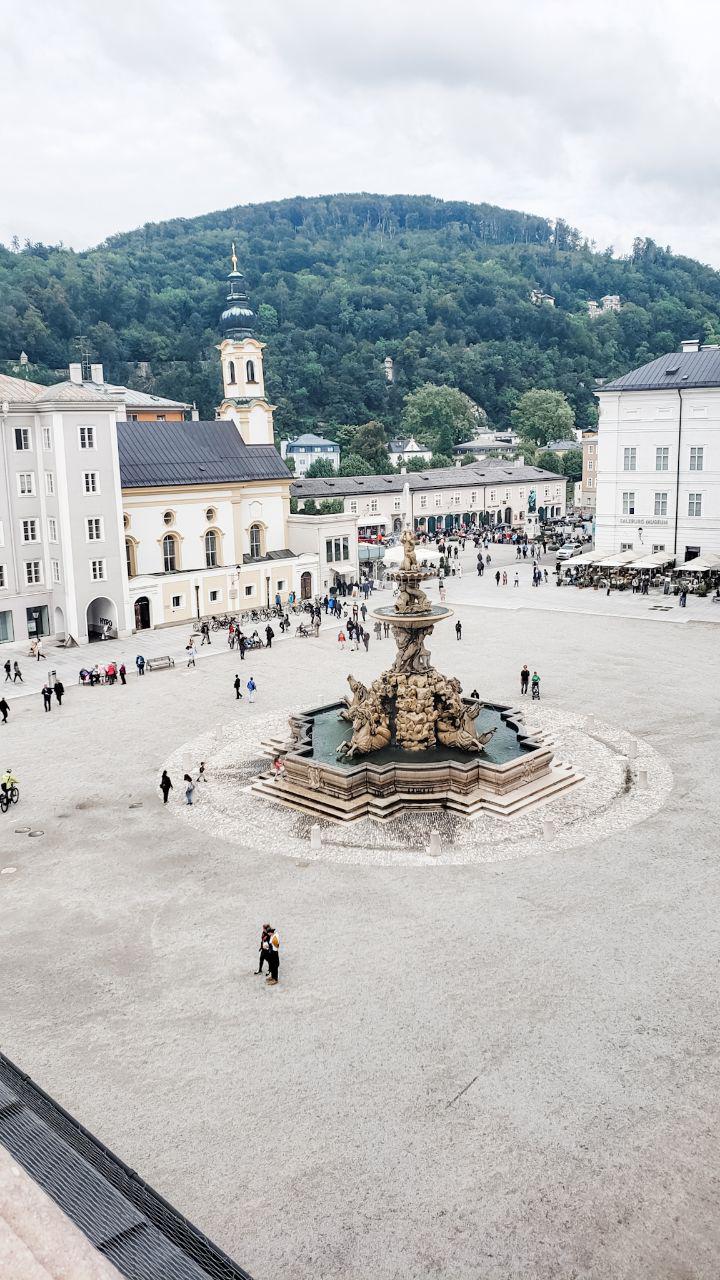
Our tour group arrived late in the afternoon on Thursday the 5th of September to overcast skies. We had the evening to settle in and get some supper, so I took my daughter to walk around and see the Mirabell Palace (famous as a location in “The Sound of Music”), the DomQuartier, St. Peter’s churchyard with its very early catacombs carved into the cliff face, and the winding streets of the beautiful Altstadt. After a couple of hours, it began to drizzle, and, by the time we got back to our hotel, it was pouring. We did our best to dry out and got to sleep just as the jet lag kicked in. I checked the weather report for the next day and noted an 80% chance of rain, but I didn’t worry. We have always been blessed with amazing weather on our trips, and I had high hopes for this one. After temperatures topping 100 in Alabama, the cool, fresh air of Austria was a reprieve! (Click on any image in the gallery below to open the full-sized slideshow.)


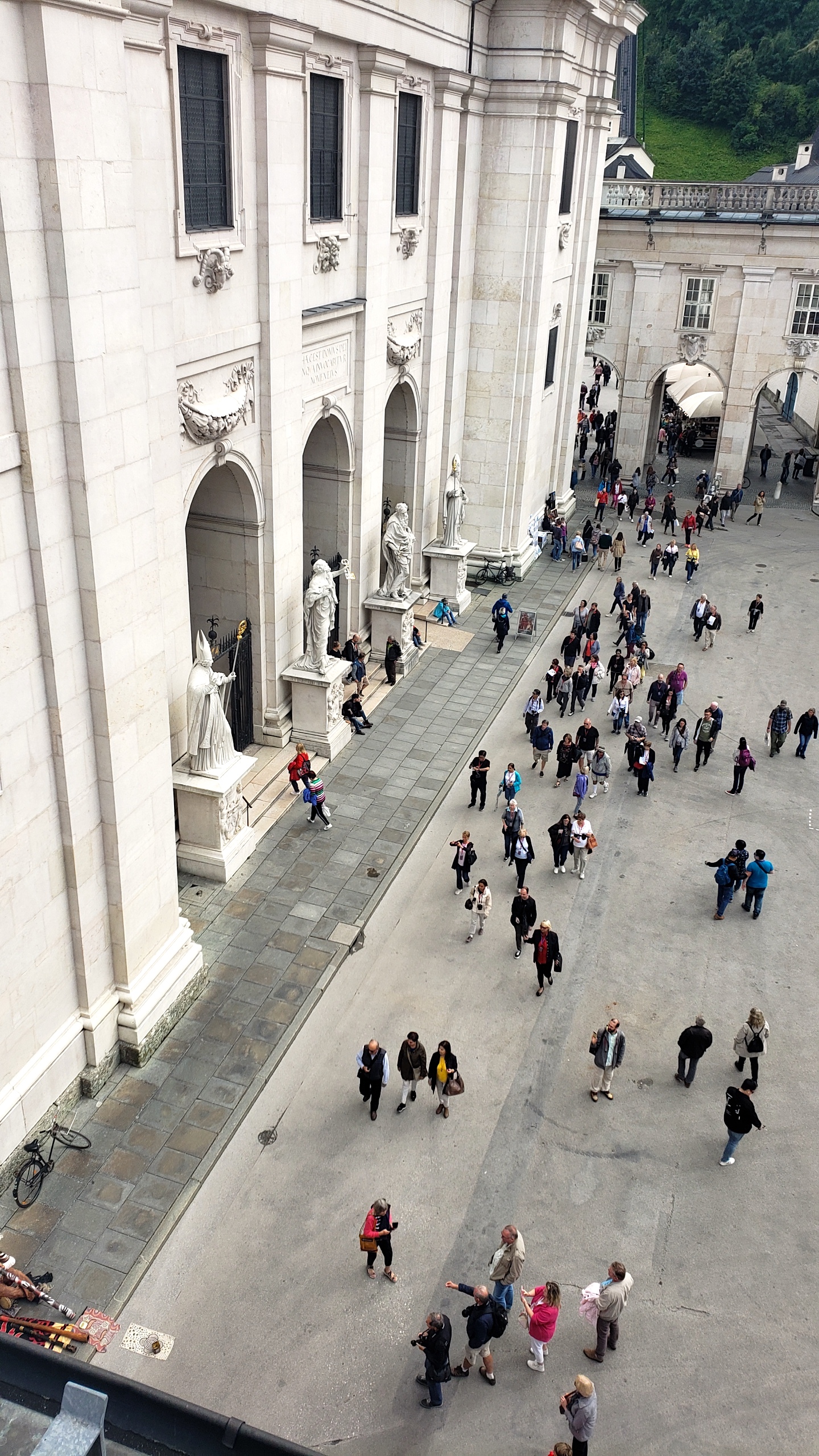
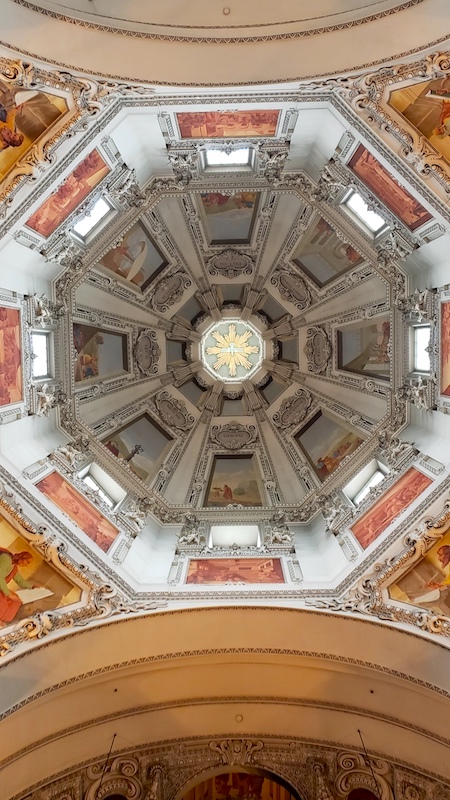
After a delightful Austrian breakfast in our hotel the next morning, we all set off for a walking tour of the city, taking in the architecture along the way. I pointed out how many of the houses had been rebuilt on their same foundations after fires in the 16th century, preserving the meandering medieval streets with their quirky corners and winding ways. Once we reached the DomQuartier, I talked about the influence of the Roman Catholic Church on art, music, and even fashion, pointing out the elaborate garments on the statues around the cathedral. I always tell group members that churches are art galleries and give you the chance to take in some incredibly beautiful work–and often at no cost. The Salzburg Cathedral is no exception, containing stunning Baroque paintings and sculptures. (Interestingly, the paintings inside the dome and around the ceilings are similar in tone and color to those in St. Paul’s Cathedral in London. It is fascinating that both churches were rebuilt after devastating fires and both suffered similar bomb damage in WW2.)

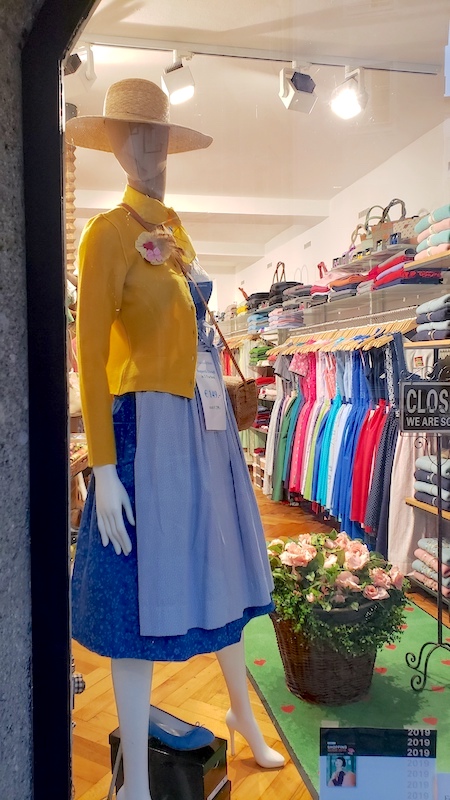
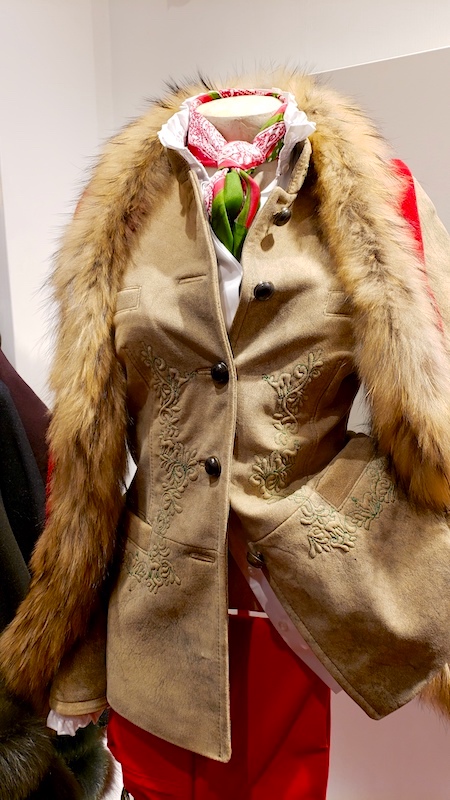 After our walk around the DomQuartier, we did some serious window shopping along the main thoroughfare that winds past Mozart’s Geburtshaus, because traditional Austrian clothing has for centuries held onto “slow fashion” in the very best sense of that phrase. I have always had a love for dirndls and Tracht (traditional regional dress), but don’t imagine the cheap polyester knockoffs that we find in the States during Oktoberfest. Real Austrian fashion for both men and women involves incredibly detailed work with seams and stitchery that immediately remind one of 18th-century techniques. And Austrians really do wear dirndls, lederhosen, finely tailored jackets, and exquisite accessories on a regular basis. We spent quite some time marveling at bound buttonholes, fine whitework embroidery, and tailoring techniques that have, sadly, vanished in mass-produced, ready-to-wear clothing. What’s most amazing is that each Tracht shop has its own in-house tailors who can alter any garment to fit perfectly within hours or days, and they will guarantee their work for years, as I would find out later in Vienna.
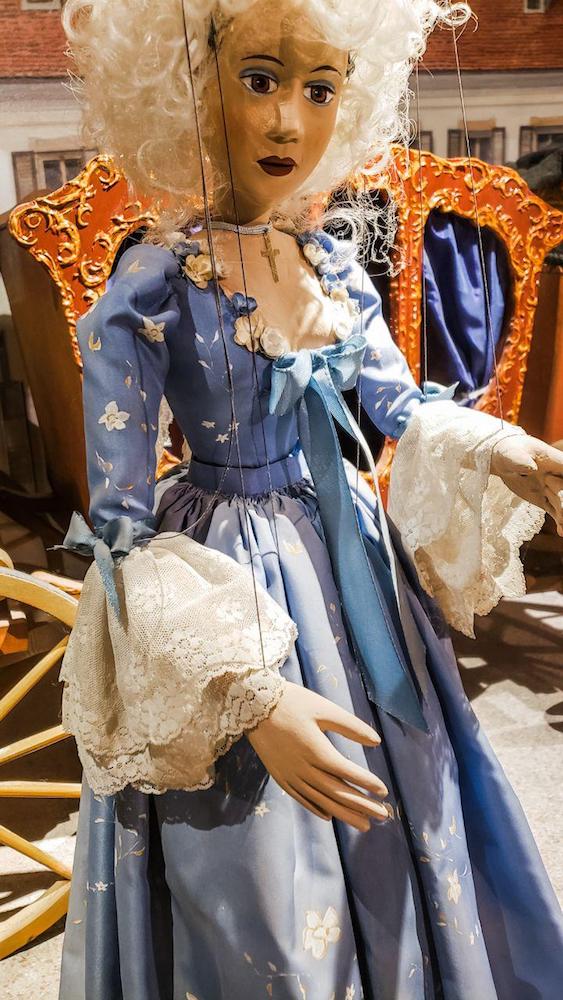
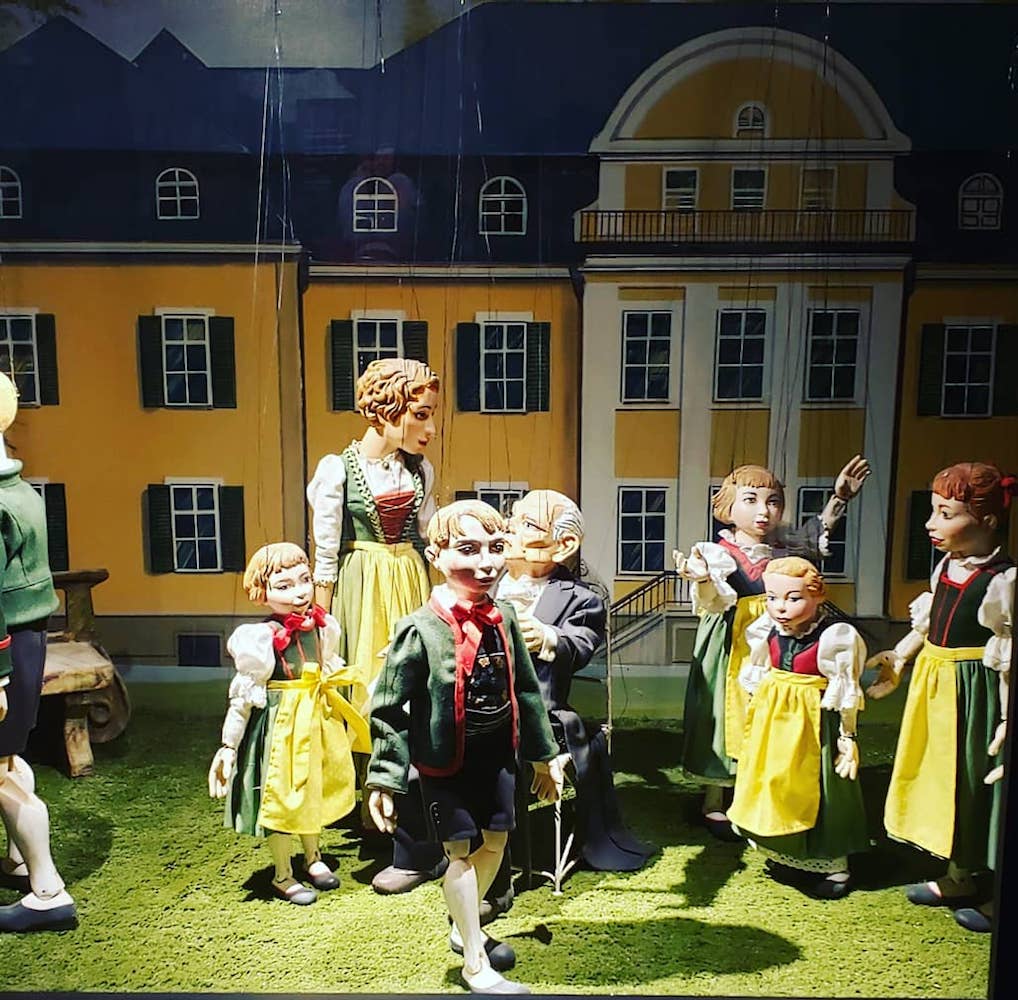
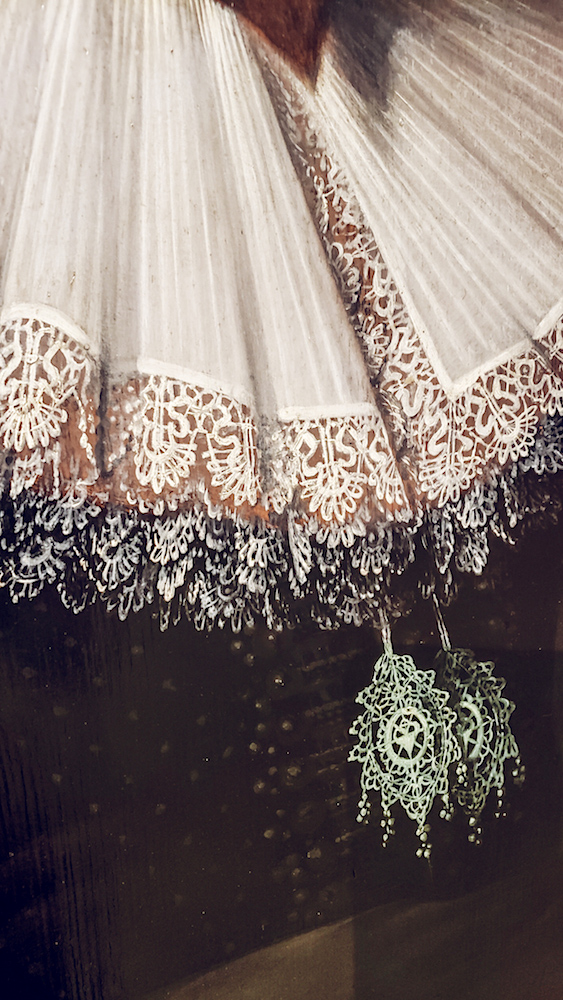
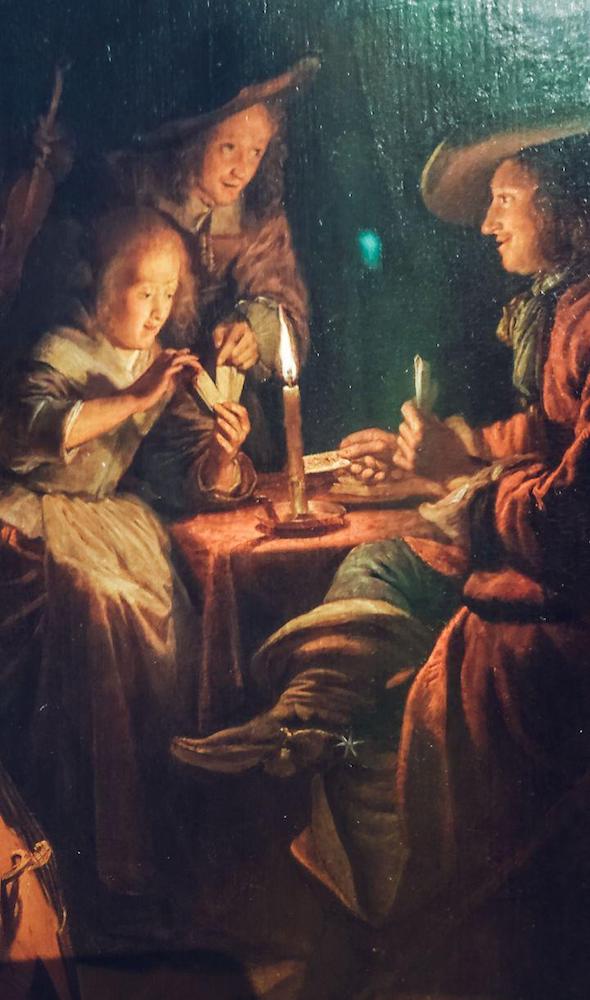
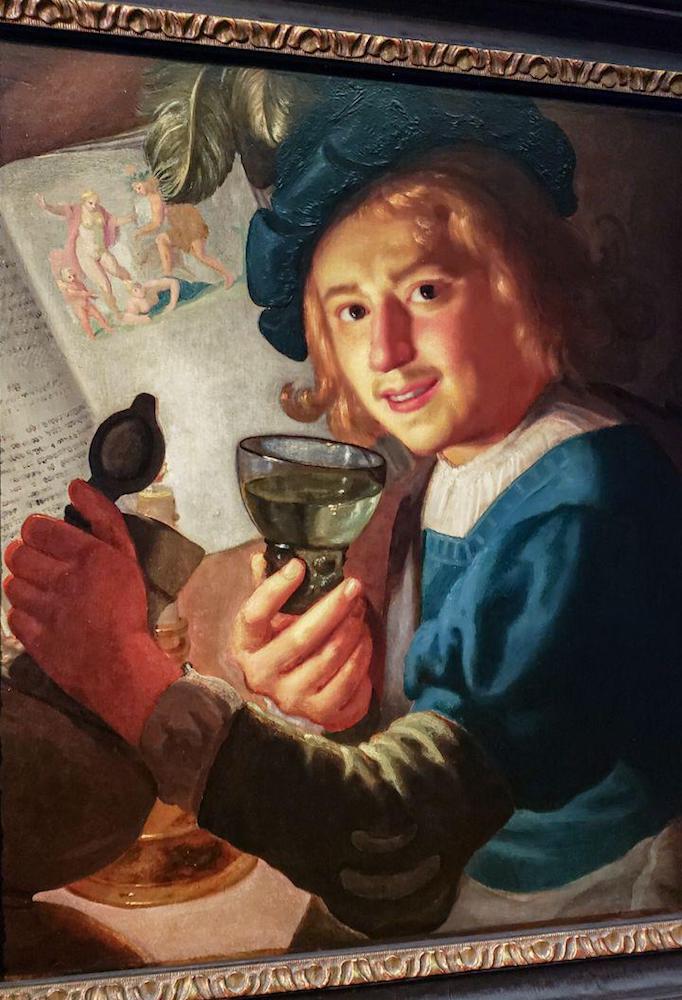
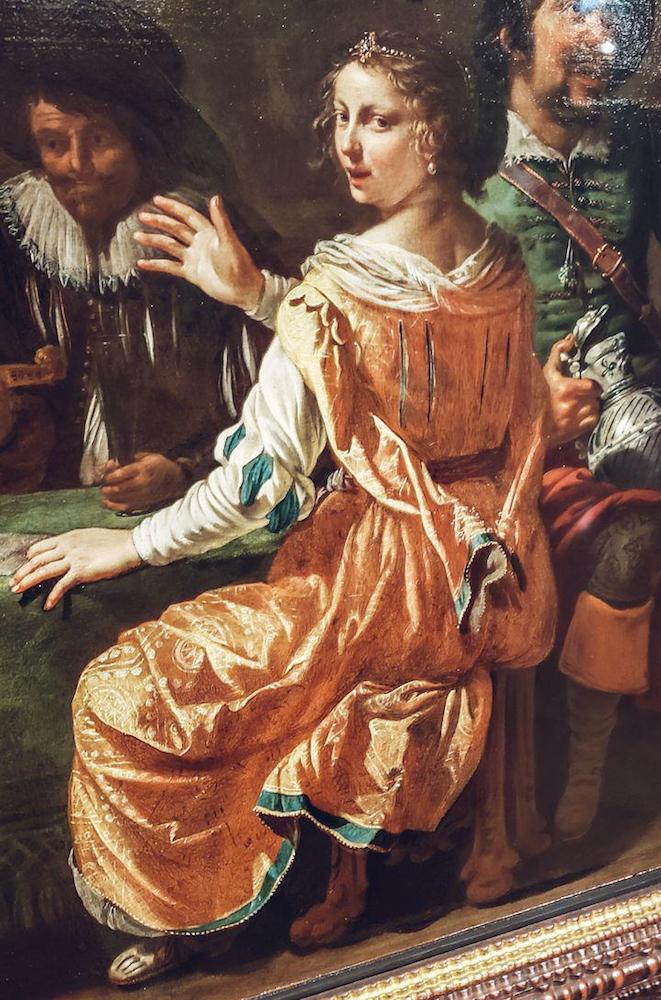
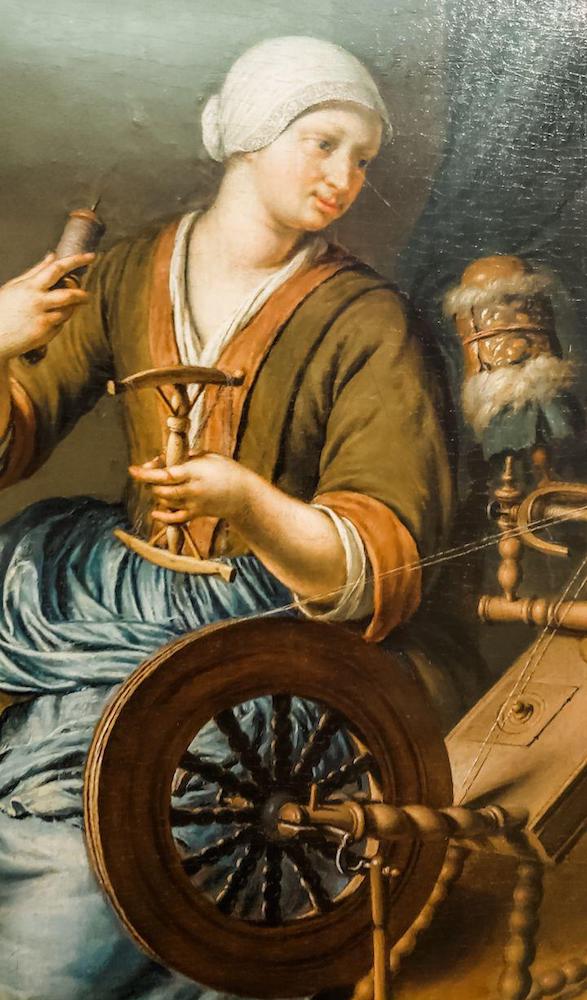
 After turning group members loose to explore a bit on their own, my daughter and I walked the steep trail up to the Hohensalzburg Fortress to tour the castle and its museum. The view from the top is fabulous, with the richly green Austrian countryside spreading out all around, dotted with lovely homes and steeples. The fortress museum contains many of its original 16th-century furnishings, armor, musical instruments, and military uniforms. There’s also a fun marionette museum tucked into one side, where you can see the intricate costumes up close. After riding the funicular railway back down, we toured the DomQuartier Museum, taking in some fantastic paintings by Dutch masters (who had such an eye for fabric and detailed trimming!).





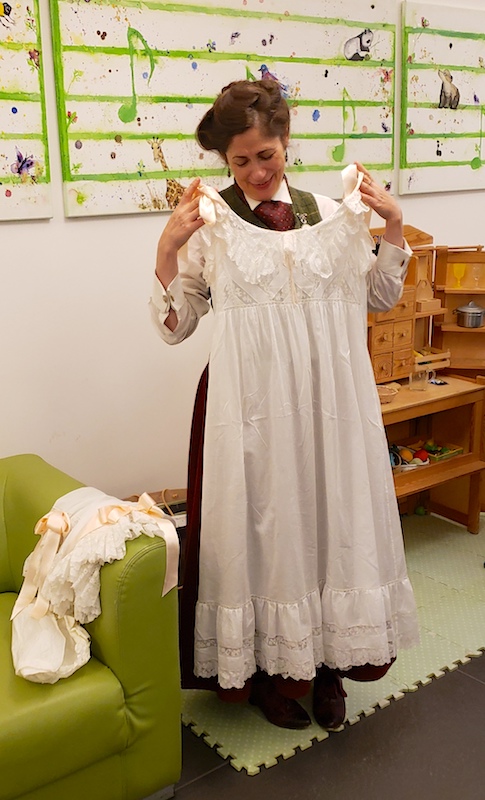
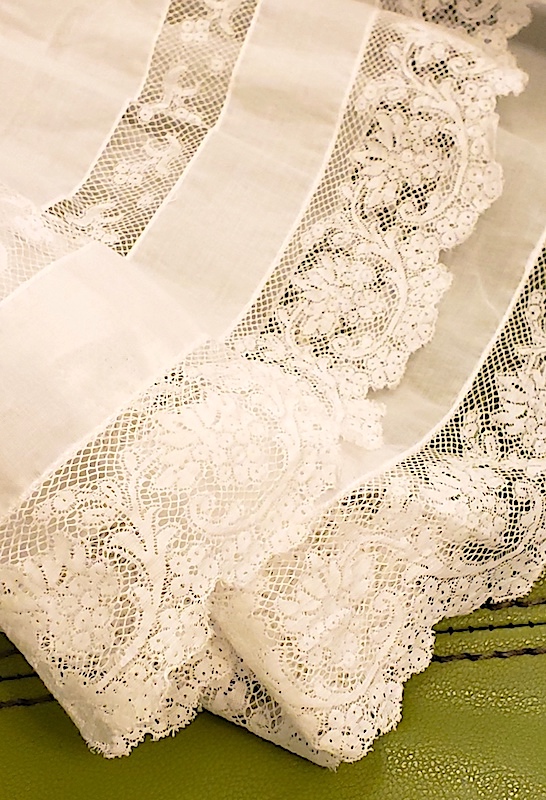
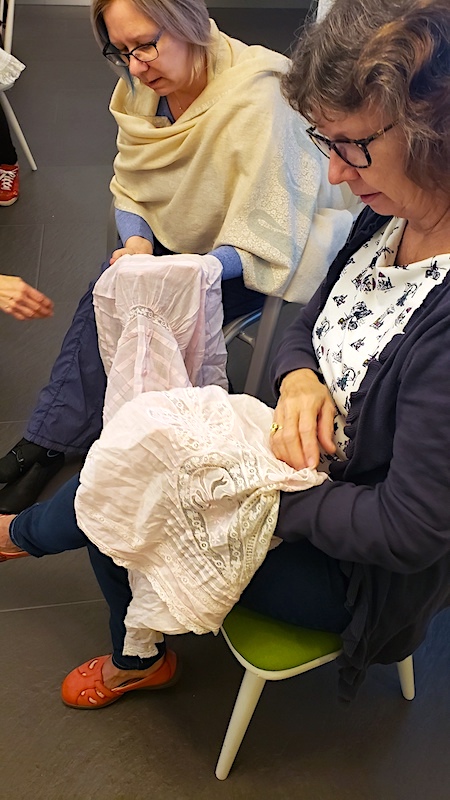
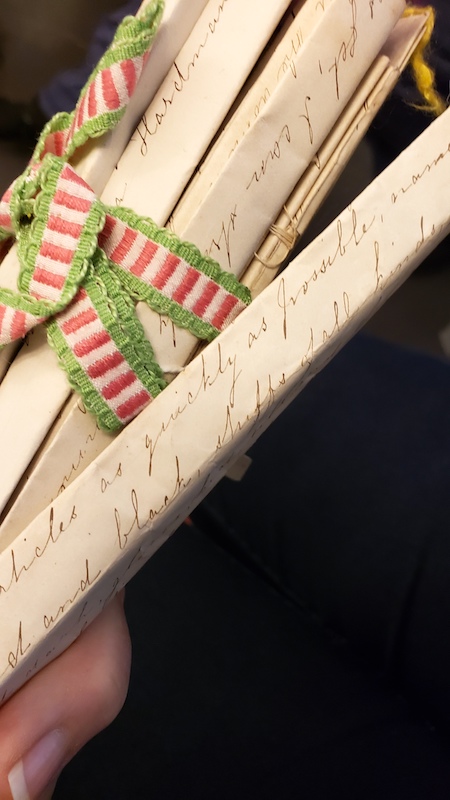
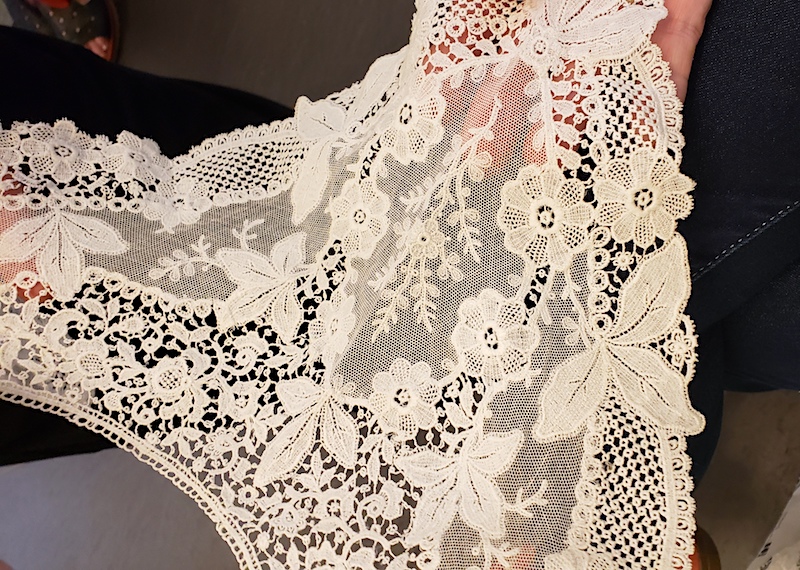
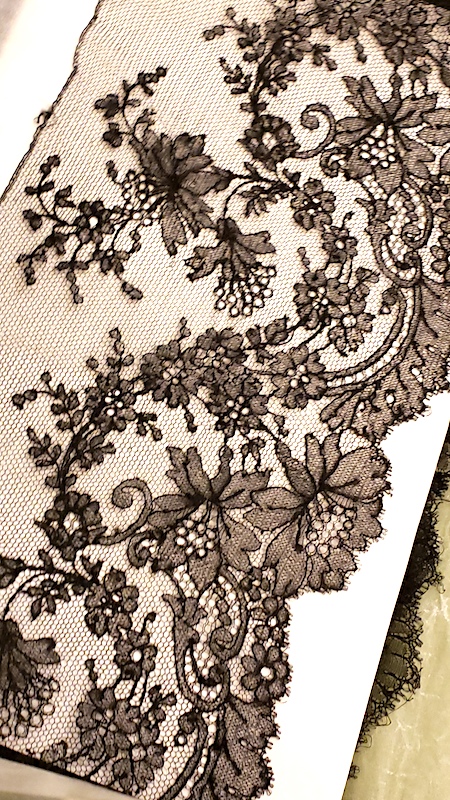
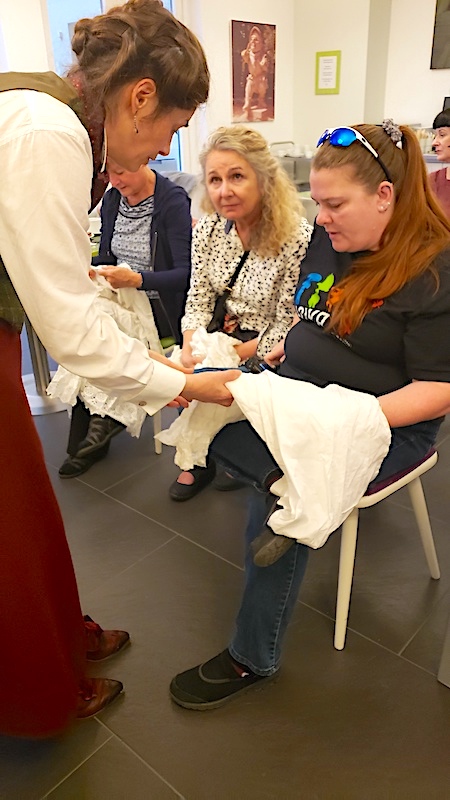 After supper, the group gathered in the tea room of our hotel for Show and Tell with vintage and antique garments and accessories, plus gorgeous reproductions of Edwardian underthings by Cathy Hay. Being able to handle original pieces is always an important part of our tours, as it provides an opportunity to see how garments were constructed and trimmed…and often how they were altered to fit later styles or to repair damage. I brought along my prized ca. 1904 tea gown with its extensive lace insertion and embroidery, plus a ca. 1908 girl’s dress and several Victorian and Edwardian underthings. Cathy had a collection of embroidery floss samples wrapped in letters from an atelier, requesting samples of various items like buttons, ribbons, and lace for customers. Reading one of the letters was a fascinating glimpse into the past. After an evening centered around our shared passion for historical sewing, we retired for the night. Next time, Bad Ischl!

 Historical Fashion Tours with Sense & Sensibility