
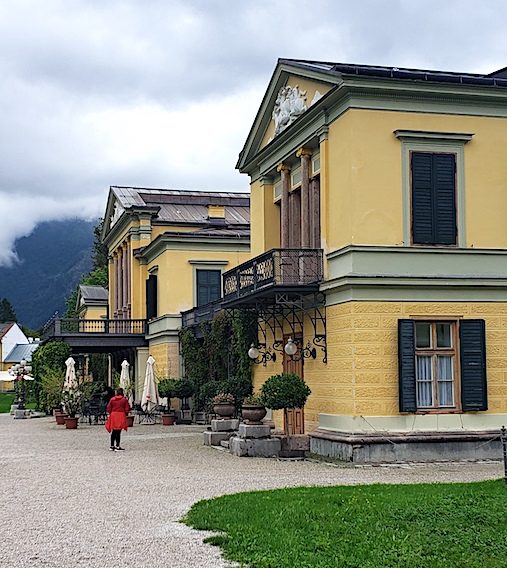
 We boarded our private coach Saturday morning for the one-hour trip to the charming spa town of Bad Ischl, which is where Emperor Franz Joseph I expanded his hunting lodge to become a comfortable retreat for Empress Elisabeth and their young family. He extended the wings to form an “E” shape in tribute to his wife, then decorated his personal rooms with paintings and photographs of her.

If you are not familiar with the tragic story of Sisi, it reads like a fairly modern story of celebrity turned sour and a bitter struggle for autonomy against the stifling rules of the Austrian court. The 22-year-old emperor was supposed to marry Sisi’s older sister, Helene, but when they were brought together to formalize their engagement, 15-year-old Sisi tagged along, hanging back shyly when it was time to meet her royal relatives (the emperor was her first cousin). The moment Franz Joseph laid eyes on Sisi, he declared he wanted her and would not marry Helene. His mother, Sophie, objected strongly. The girls’ parents had brought up Helene to step into the role of empress. They had educated her carefully and taught her all the ins and outs of court etiquette and protocol. She knew how to stand, talk, dance, and interact with important personages at court. Sisi, on the other hand, had been allowed to grow up almost completely wild, riding her horses, hiking, and neglecting anything remotely related to the strict Viennese court. This set the stage for the tragedy her life would become.

When Franz Joseph refused to change his mind, Sophie reluctantly gave in, but Sisi’s parents had to embark on a crash-course education for the girl, teaching her all the things Helene already knew and stitching up a trousseau suitable for the future empress. Sisi famously remarked, “I do love the emperor. If only he wasn’t the emperor!” She dreaded the confining life she knew would be hers once she entered the royal court.

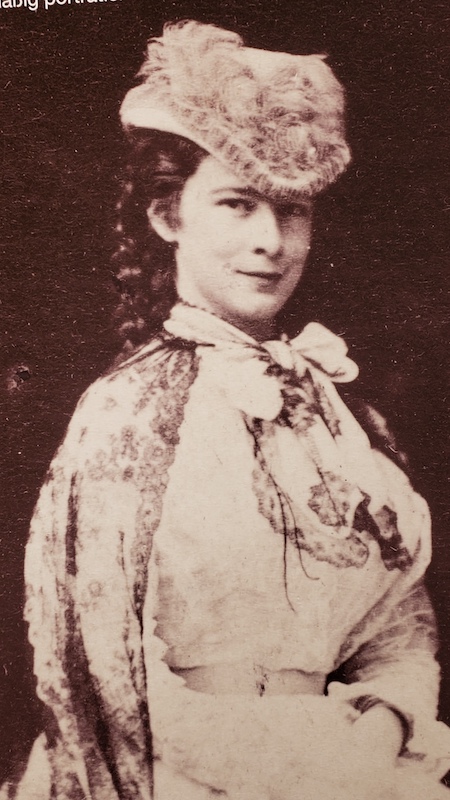
The Kaiservilla in Bad Ischl contains some of Sisi’s personal effects, including a riding crop, spurs, fans, and jewelry. There is also a reproduction of the gown she wore to the farewell ball her father threw for her shortly before her wedding. Embroidered around the skirt and the stole in Arabic is the phrase, “Oh, Lord, what a beautiful dream.” Sadly, for Sisi, it was only a nightmare. After a few minutes in the crowded ballroom, being introduced to strangers, she burst into tears and ran from the room. It was just too much for a 16-year-old child of nature to bear. But that was only the beginning of her difficulties. After the wedding, the couple didn’t get to enjoy a private honeymoon. Franz Joseph would not leave his duties as emperor, which he took very seriously, thanks to the rigorous training and controlling nature of his mother. Sisi was left to fend for herself in a court full of people who did not love or support her. Even her ladies in waiting were chosen by her mother-in-law and kept Sophie informed of whatever Sisi said and did. When Sisi complained to her husband, he sympathized with her but did nothing, because he did not want to cross his mother.


However, Franz Joseph did what he could to placate his young wife, including building her a “Marble Hall” up the hill from the Kaiservilla—a lovely house where she could take tea with an intimate circle of ladies she began to draw around her in spite of her mother-in-law. We visited the “tea house,” which is really quite grand and now houses a photography museum. There were many photographs of the empress as a young girl and, later, as the regal beauty she became. Unfortunately, photography is not allowed in the Kaiservilla, so I can’t show you the salon where Sisi practiced fencing, the emperor’s office, or his surprisingly spartan bedroom with its very plain furnishings. However, you can get a feel for its lush setting in the thickly forested hills.


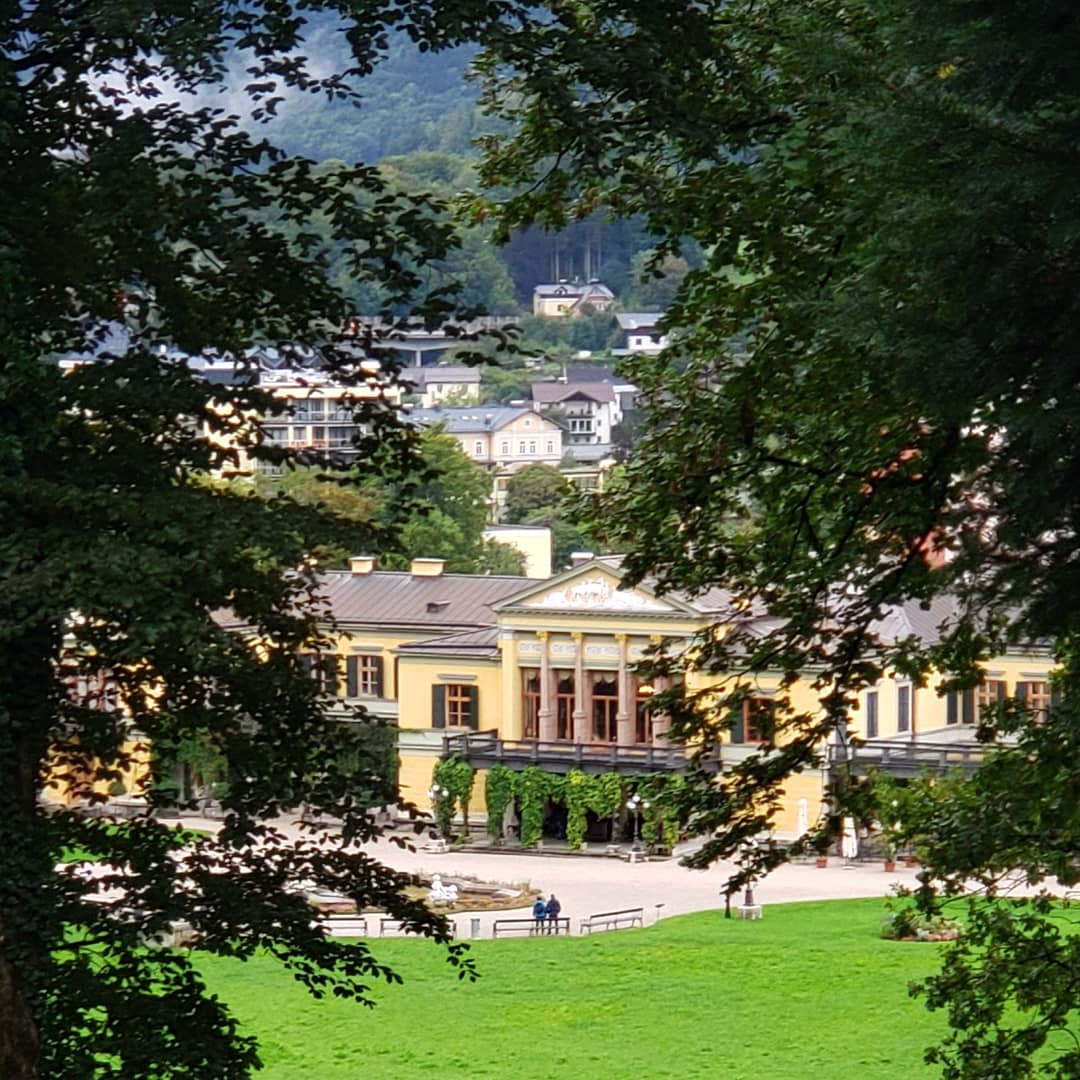
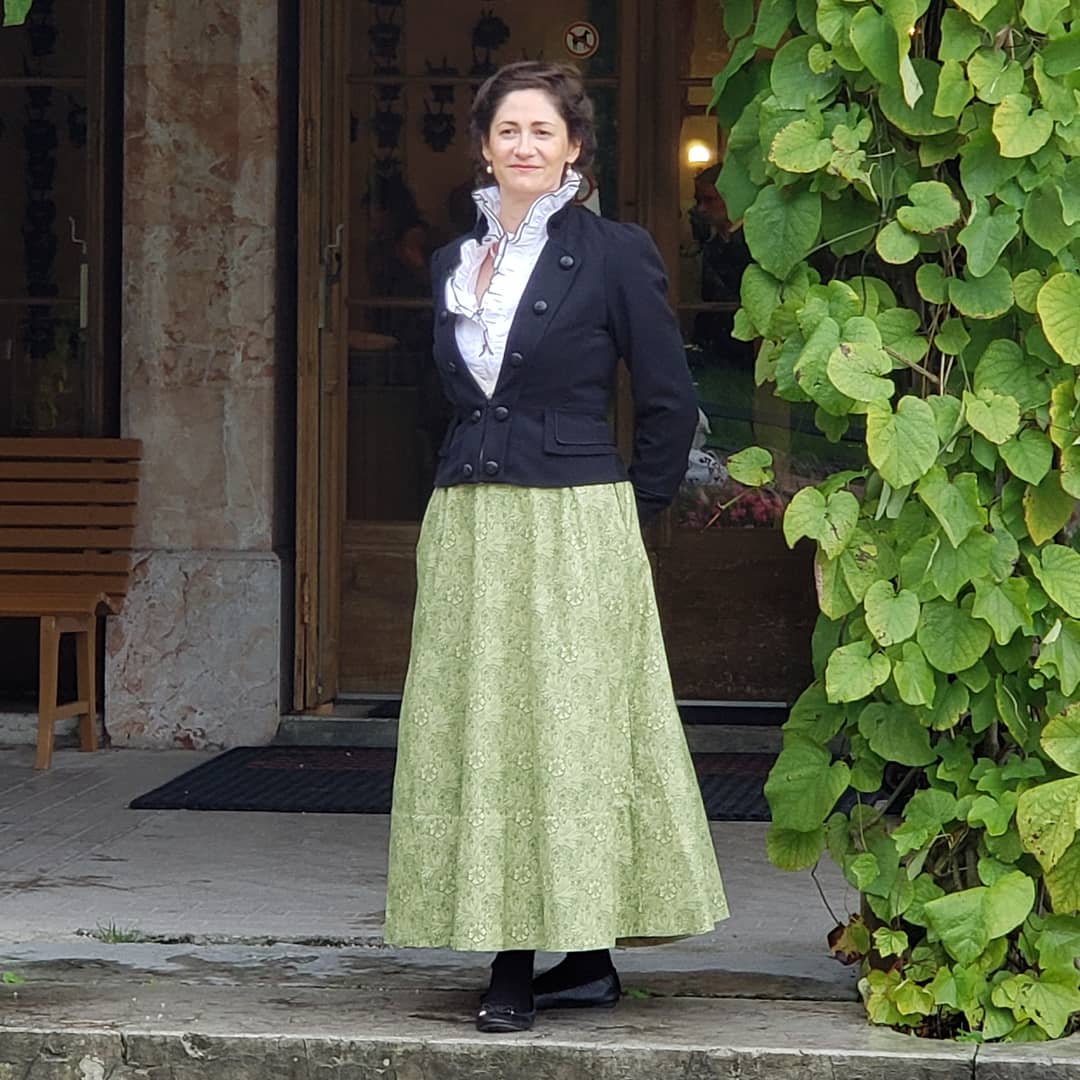
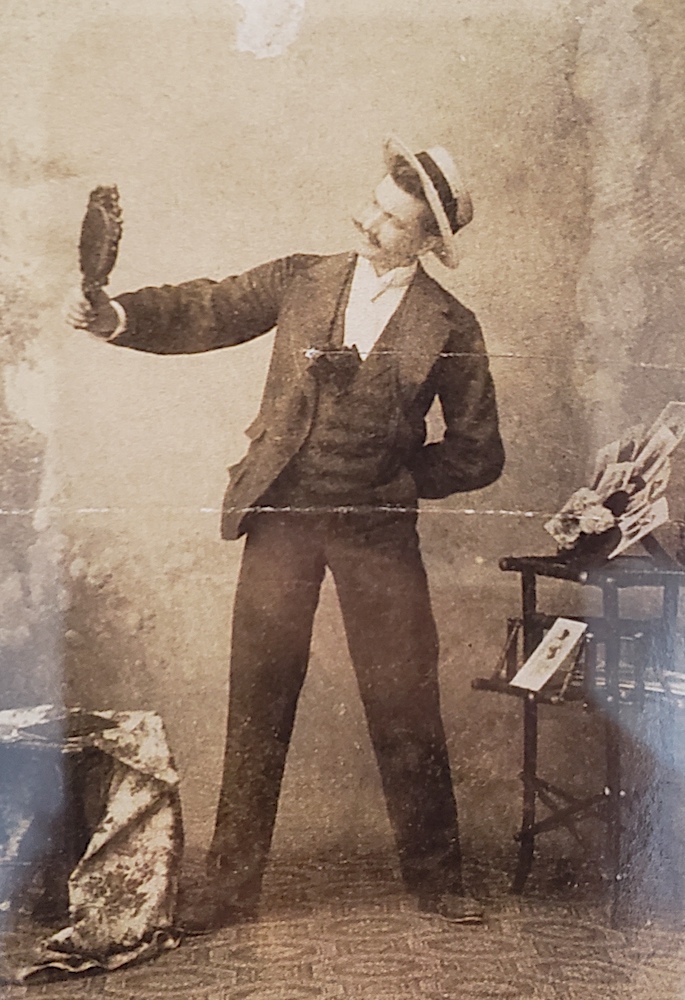
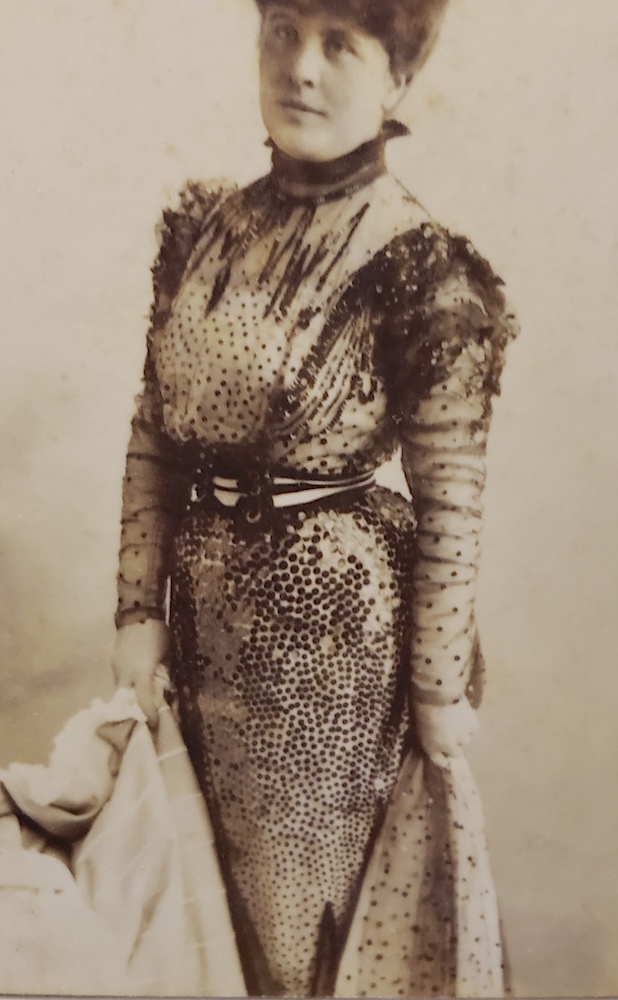

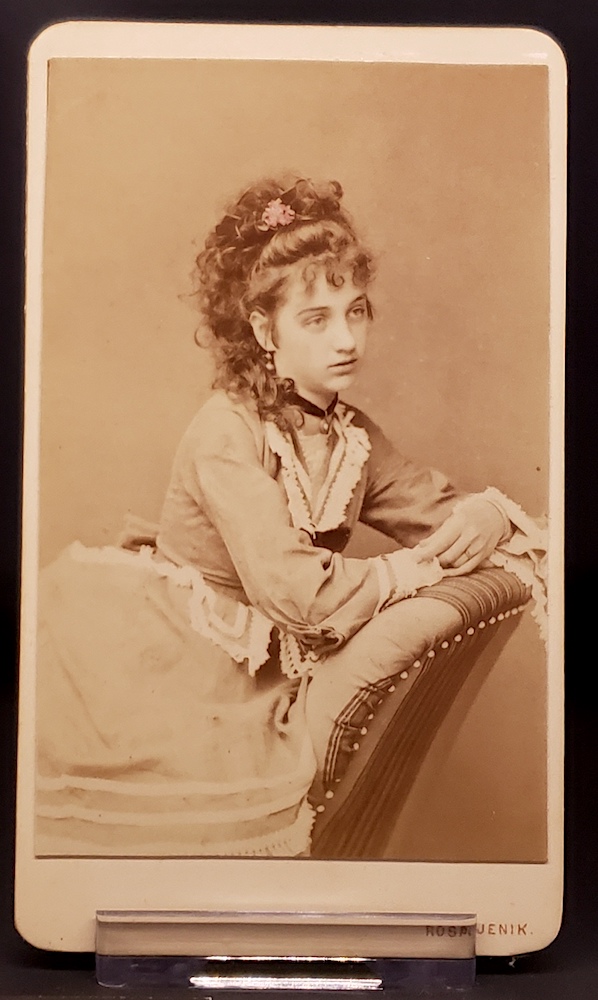
Franz Joseph spent almost every birthday in the Kaiservilla, and Sisi spent long hours hiking up the hills into the forest, exhausting her less hardy ladies in waiting. Even today, the emperor’s birthday is still a huge celebration in Bad Ischl. Every August there are military parades in 19th-century uniforms, costumed balls, and a musical evening in the beautiful St Nikolaus church.
If you get a chance to visit Bad Ischl, the Kaiservilla is worth the stop, although tours are only given in German (there’s an English handout you can read as you walk from room to room). With so many international visitors coming yearly to Bad Ischl for the music festivals and more, it is quite surprising that the Kaiservilla doesn’t have audio guides in multiple languages (as the Hofburg does) and that it doesn’t allow groups to bring their own guide or translator. There is also a long film in German without subtitles that is shown on a loop in the photography museum. It was made in the 1990s and contains a lot of information about Franz Joseph, Sisi, and their family. But, again, if you don’t speak and understand German, you will be at a loss to follow it without a willing translator. I did my best for our group with my college German, but subtitles would have been a great help!


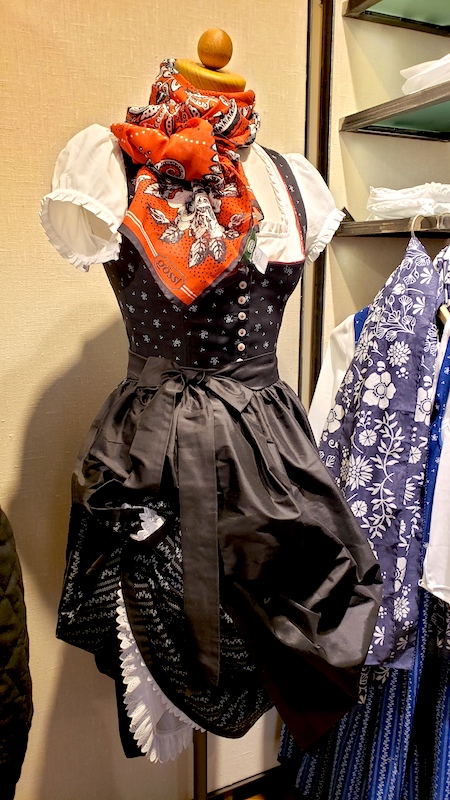
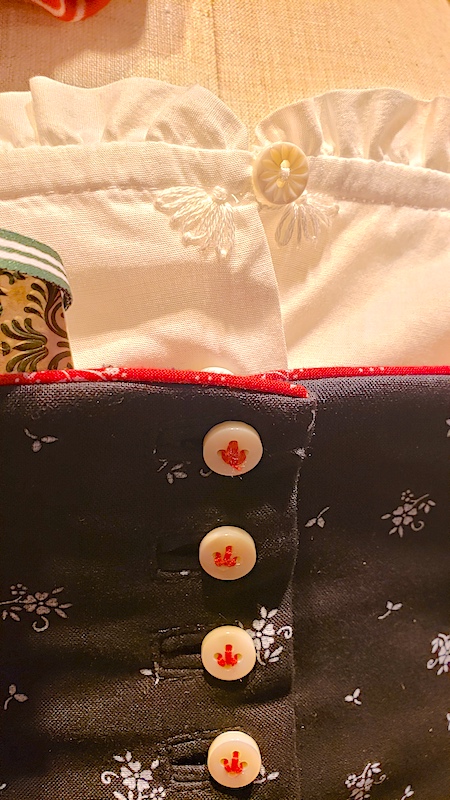
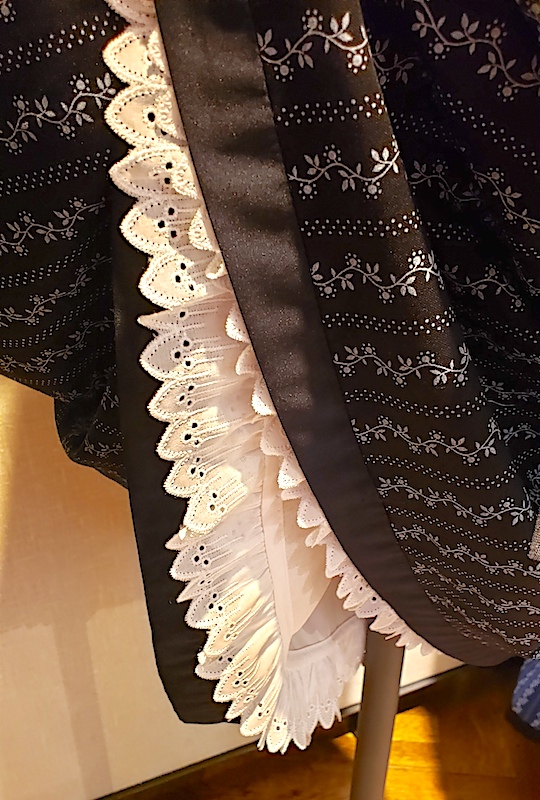
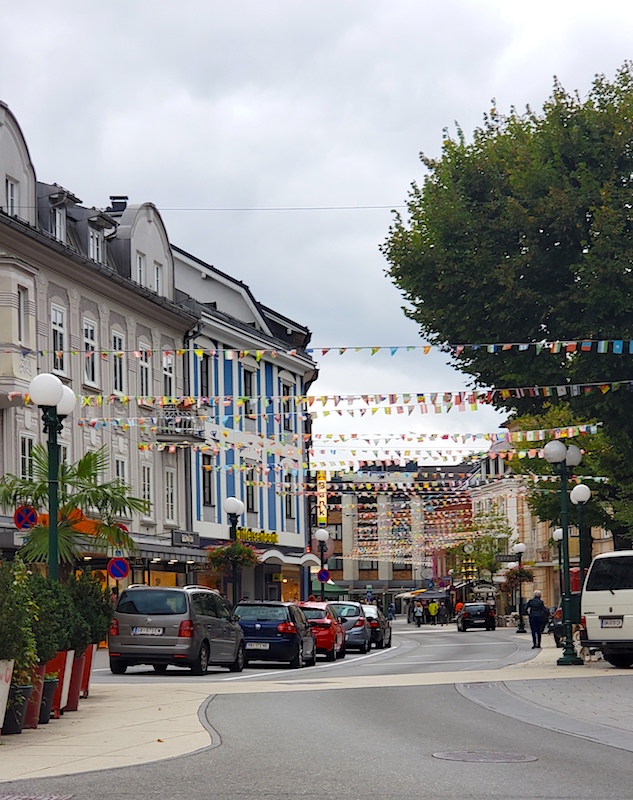
Our group spent the rest of the afternoon walking the streets of town by the river, checking out the stalls of the antiques dealers, and sampling traditional Austrian cakes and rich hot chocolate in the Zauner Café. And, yes, we did more window shopping in Tracht shops, admiring what I believe is the finest work in Austria. I fell in love with a black dirndl and its accessories. The entire ensemble would have set me back about $1500, so I left it with a sigh. However, the work is well worth the price, as it represents an incredible investment of time and skill—the very best aspects of slow fashion. It was amazing to see all of the shops doing brisk business, and it was pure delight to walk down the street and see so many people of all ages proudly wearing their national dress.
Our coach took us back to Salzburg at 4pm, just as a light drizzle began to fall. The rain had, thankfully, held off until we finished all our wanderings! We spent the evening packing up for our train journey to Vienna on Sunday and did a farewell walk to fetch supper in the Altstadt before turning in for the night. I took an early morning jaunt on Sunday that I will tell you about in my “Secret Salzburg” post next!
 Historical Fashion Tours with Sense & Sensibility